
Archive: Articles

April 9, 2012

Dual Legal Actions to Reduce Pollution That Fouls Illinois Water and Fuels Gulf Dead Zone

By Glynnis Collins & Kim Knowles

This March, Prairie Rivers Network joined our Mississippi River Collaborative partners in launching two lawsuits against US EPA for their failure to regulate nutrient pollution.

Too many nutrients – a problem

Most people know that nitrogen and phosphorus are important nutrients for plants and animals. At high levels in water, however, the beneficial effects of these nutrients become problematic, and the nutrients are considered pollution.

Nitrate, a form of nitrogen, is toxic to people and other animals at high levels. A decade ago, Georgetown, Illinois had to abandon its drinking water reservoir because of high nitrate levels. Water suppliers for Decatur, Danville, and Streator had to install expensive ion exchange systems costing millions of dollars to remove nitrate from polluted reservoir water. Ongoing operation and maintenance expenses cost ratepayers tens to hundreds of thousands of dollars per year.

In rivers and lakes, nitrogen and phosphorus pollution stimulates excessive growth of algae, creating ugly mats or pea-soup scummy water. When the algae die, they rot. The bacteria that decompose them use up most or even all of the oxygen in the water, choking aquatic life. An enormous example of this problem is the “Dead Zone” that forms in the Gulf of Mexico every summer.

Especially in lakes and reservoirs, nutrient pollution can stimulate the growth of blue-green algae. This “pond scum” is unsightly and smells like vomit when it rots – enough to keep people from enjoying boating and swimming. The algae also sometimes release toxic chemicals into the water. Each summer, local communities throughout Minnesota, Wisconsin, Iowa, and Illinois are forced to officially close beaches because of the potential presence of blue-green algae toxins. The toxins can sicken or even kill people, pets, and livestock.

Watch a video on Dead Zone pollution.

{Continue Reading »}

April 5, 2012

Prairie Rivers Network & Community Groups File Lawsuit for Federal Coal Ash Protections

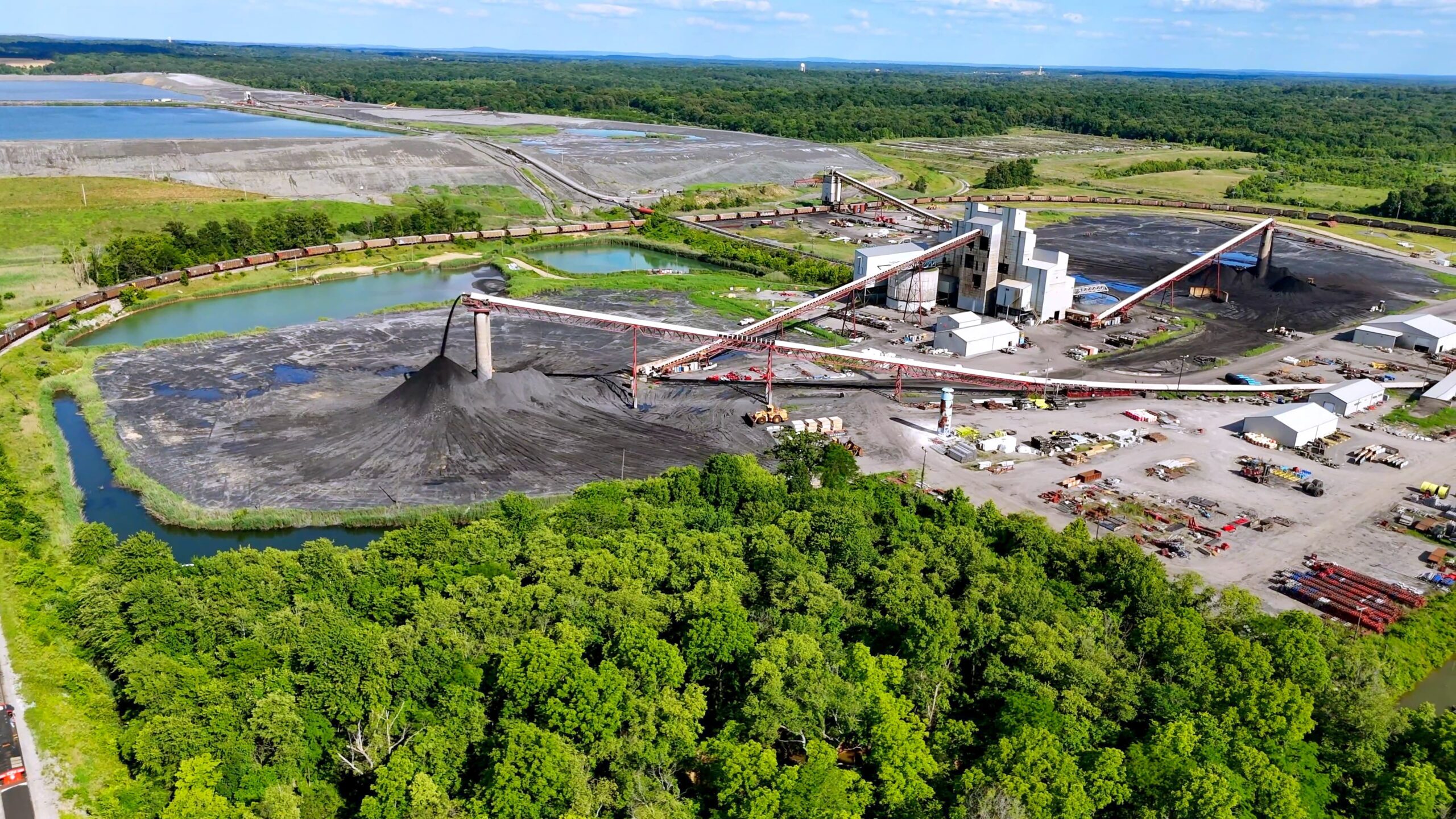
Coal Ash Dump in Joliet, IL

Today Prairie Rivers Network joined with national partners, Earthjustice, Environmental Integrity Project, Physicians for Social Responsibility and other state-based environmental protection organizations in filing a lawsuit to finalize national standards for coal ash disposal.

This is critical for Illinois because while our state generates 4.4 million tons of coal ash every year, and imports coal ash for disposal from at least 6 states, this harmful waste product is handled according to outdated and ineffective state rules that were written over three decades ago. We are long overdue for an update, as evidenced by the fact that groundwater contamination from coal ash pollution has been found at every site investigated in Illinois – that’s 22 out of the 24 coal plants in the state. Below is a joint press release issued with our partners describing why now is the time for the Environmental Protection Agency to finalize its decision on coal ash. {Continue Reading »}

April 4, 2012

Prairie River Notes – Winter/Spring 2012 Newsletter

Read Prairie River Notes – Winter/Spring 2012 Newsletter featuring the following articles:

  • Dual Legal Actions to Reduce Pollution that Fouls Illinois Water and Fuels Gulf Dead Zone
  • Standing Up for Science Education
  • It All Started with Crawdads and Turtles
  • Help Protect the Shawnee National Forest from a Strip Mine
  • Board of Directors Update
  • Study Shines Light on How to Stop Carp, Improve the Chicago River

Also, see our 2011 Annual Report.

April 1, 2012

2011 Annual Report


I am pleased to present Prairie Rivers Network’s 2011 Annual Report. The report is a snapshot of an organization making real progress in protecting clean water, an organization with a growing membership, and one that is maintaining financial health in a difficult economy. I am confident that 2012 will bring more of the same. Our most important asset, the network of people passionate about protecting healthy river systems that are essential for a good quality of life, is stronger than ever. Through that network–of members, private foundations, board members, and our talented staff–we have the power to restore clean water and healthy rivers, supporting vibrant communities throughout Illinois.

Glynnis Collins, Executive Director


March 31, 2012

New “Dead Zone” Video from our Collaborative Friends

Prairie Rivers Network has been part of the Mississippi River Collaborative since 2005. Our goal is to improve water quality in the Mississippi River Basin and reduce the size of the Gulf of Mexico “Dead Zone.” This new video from Gulf Restoration Network (our Louisiana colleagues) discusses some of the science and causality behind the Dead Zone. Fertilizer and livestock waste pollution coming from Midwestern farms are a big part of the problem. The video also mentions our legal actions against U.S. EPA for not requiring states to limit nutrient pollution. Check it out!

March 28, 2012

Dam the Sangamon!

This is the first in a series of guest blog posts by Scott Hays, a founding member of the Upper Sangamon River Conservancy, and Prairie Rivers Network’s River Steward of 2011.

Visit Scott’s river blog!

[Quick link to the second post in the series Oakley Dam: A Rising Tide]


The Sangamon River in a "real" winter

Driving across the Sangamon River at Reas Bridge Road, my first thought was, “They were going to dam the Sangamon here?”  My second thought was, “Just where the heck is the Sangamon River anyway?”

“Here” was on a bluff by an old cemetery just north of Reas Bridge Road over looking the Sangamon River, also known in these parts as Lake Decatur.

As I looked out over the north end of Lake Decatur, it occurred to that sometimes the largest and proudest monument to a monumental effort is something you don’t even see. This is the story of this unseen monument to that monumental effort. {Continue Reading »}