

PRESS RELEASE: A Warmer, Wetter Future for the Quad Cities
April 16, 2024 | Press Release
As climate change intensifies, extreme weather – including flooding, droughts, and high temperatures – will affect the quality of life in the Quad Cities, according to a new report…
Read More PRESS RELEASE: A Warmer, Wetter Future for the Quad Cities

Get the Lead Out: Funding Available to Identify and Replace Lead Water Lines
April 04, 2024 | Blog Post
Thanks to new state and federal programs and funding, communities have support to inventory and replace their lead service lines….
Read More Get the Lead Out: Funding Available to Identify and Replace Lead Water Lines

Take Action to ensure all Illinoisans benefit from clean energy!
April 3, 2024 | Action Alert
Tell your State Legislators it’s time to help thousands of Illinois public power ratepayers have a voice in their energy future….
Read More Take Action to ensure all Illinoisans benefit from clean energy!

WETLANDS IN FOCUS PHOTO BLITZ
April 02, 2024 | Blog Post
Wetlands are a highly misunderstood and under appreciated landscape here in Illinois. The benefits they provide are invaluable and irreplaceable…
Act Now to Protect Illinois from Carbon Dumping
April 1, 2024 | Action Alert
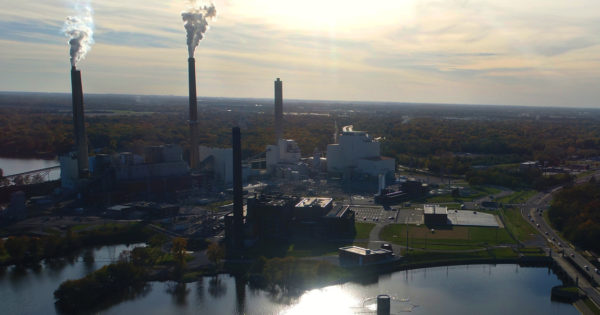
We need you to act today to protect Illinois from becoming a dumping ground for carbon pollution. File a witness slip in support of HB 4835 before 4pm on Tuesday, April 2nd…
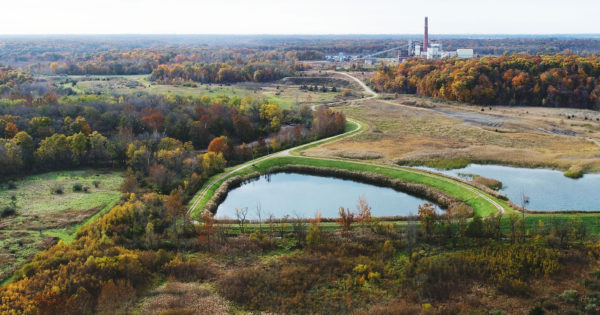
Middle Fork Settlement Benefits Vermilion Forest Preserves
March 28, 2024 | Blog Post
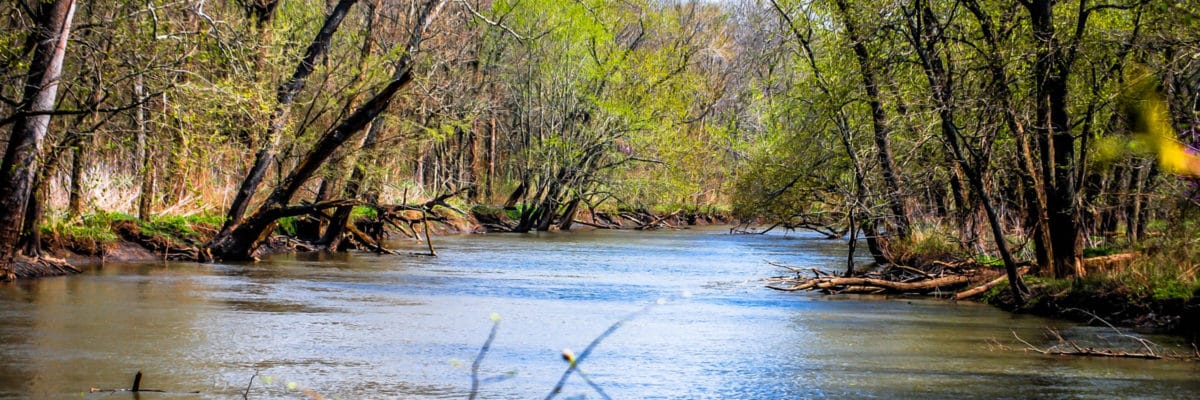
Last June, we locked in a victory for the beloved Middle Fork of the Vermilion River that was years in the making…
Read More Middle Fork Settlement Benefits Vermilion Forest Preserves

2023 Annual Report: THE FUTURE IS IN OUR HANDS
March 20, 2024 | Blog Post
A look back at the previous year and a peak into the future of PRN!

We’re Hiring an Interim Communications Director
March 19, 2024 | Blog Post
Prairie Rivers Network is hiring an Interim Communications Director to lead our communications and marketing efforts to the next level.
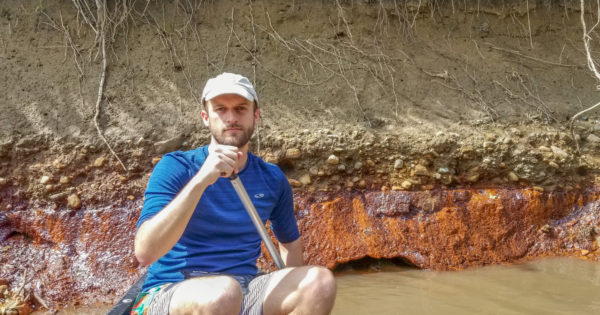
PRESS RELEASE: Appellate Court Affirms Illinois’ Strong Coal Ash Protections
March 14, 2024 | Press Release
An Illinois Appellate Court upheld the state’s coal ash rules in a Wednesday ruling, delivering a blow to coal plant owners Midwest Generation LLC, Vistra Corp., and Ameren Energy…
Read More PRESS RELEASE: Appellate Court Affirms Illinois’ Strong Coal Ash Protections
Protect Water. Heal Land. Inspire Change.
Using the creative power of science, law, and collective action, we protect and restore our rivers, return healthy soils and diverse wildlife to our lands, and transform how we care for the earth and for each other.