by Sarah Scott, Support Staff

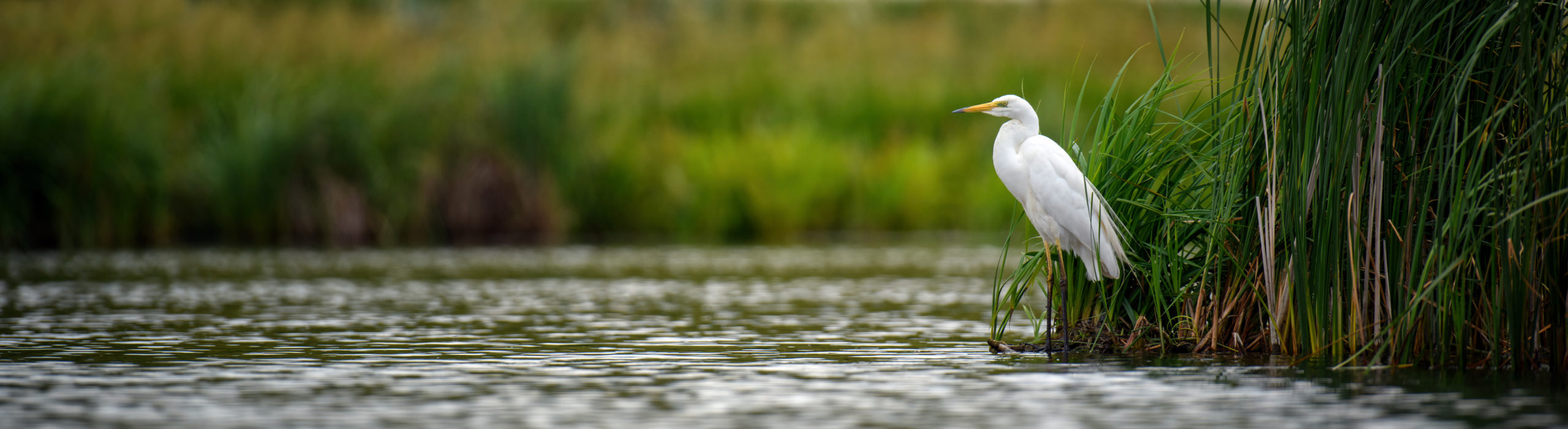
- Photo credit: tpmartins’ photostream on flickr.com
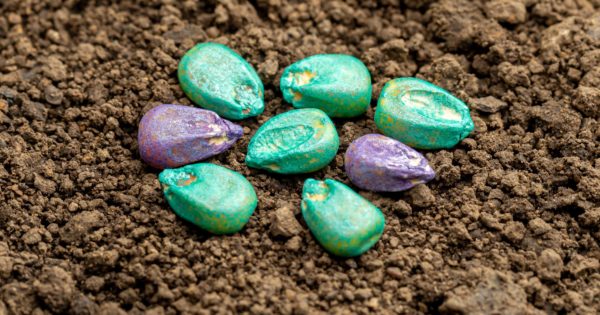
Atrazine, one of the family of triazine herbicides, has been widely used to control broadleaf and grassy weeds in agriculture and lawns. First approved for use in 1959, it is widely used in corn growing; over 75% of corn crops nationwide are treated with atrazine every year. Swiss-based Syngenta, one of the manufacturers of atrazine, touts that it is an economical form of weed control that prevents crop damage, and that it also has positive environmental effects because farmers can spray atrazine instead of tilling the soil to reduce weeds, thus preventing soil erosion and reducing carbon dioxide gas from tractors. {Continue Reading »}
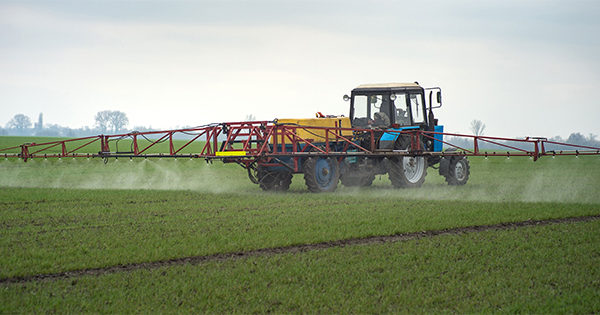
Chemical drift occurs when pesticides are blown downwind when applied to fields. Currently farmers are not required to alert their downwind neighbors that chemicals might be floating their way. Children have been sprayed, organic farms have been sprayed, and we all get an extra dose of chemical pollution in our waterways. {Continue Reading »}
FOR IMMEDIATE RELEASE
In a decision released this week, the Illinois Appellate Court upheld a trial court’s decision that prevents drainage districts from raising the amount of taxes they levy against district landowners without providing adequate information as to the need for the increase. {Continue Reading »}

Soybeans
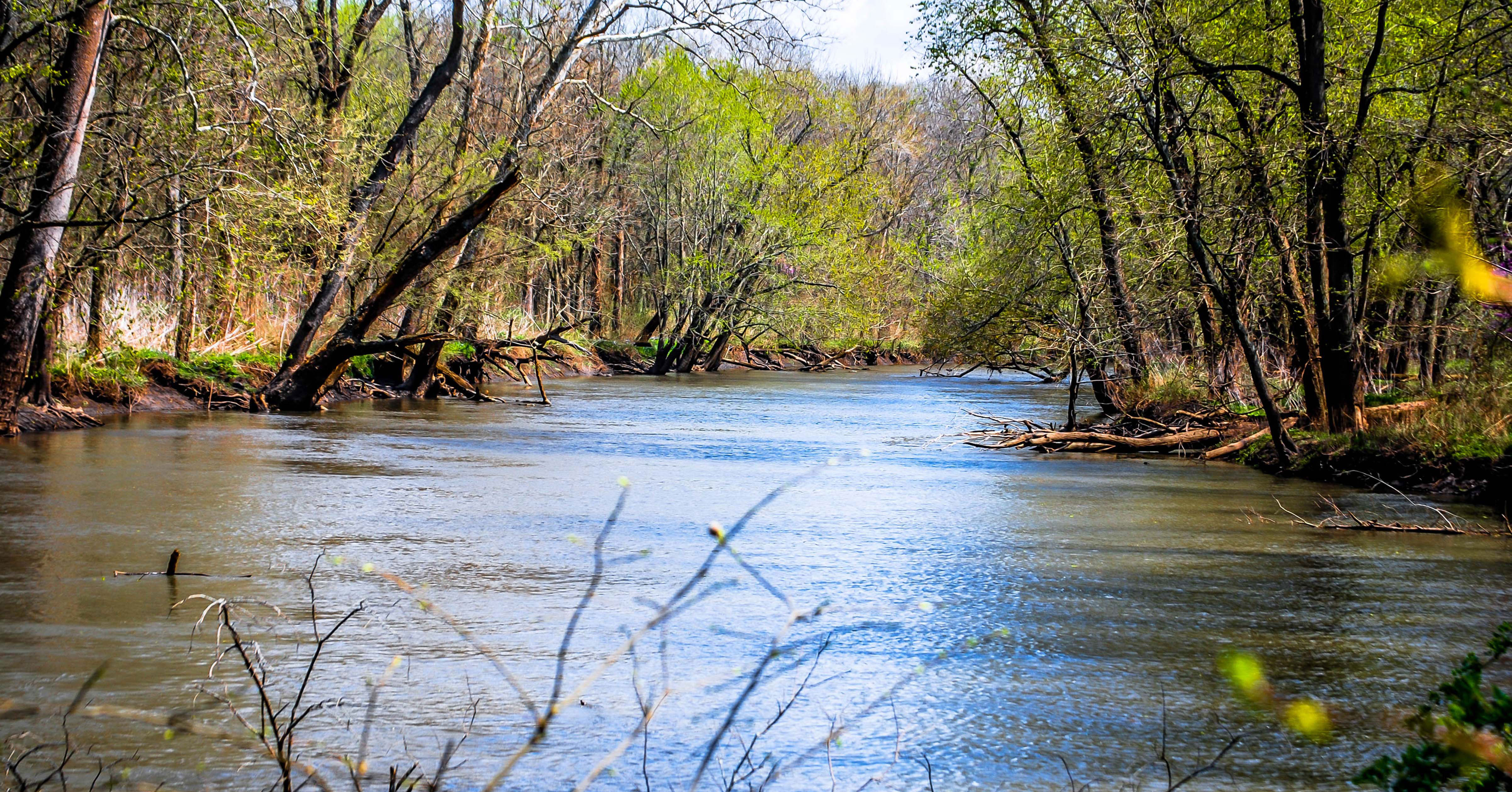
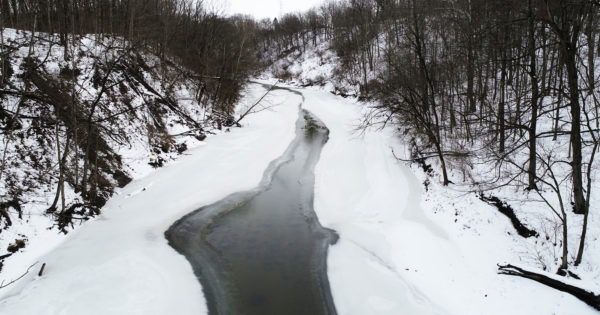
Flowing along Illinois’ borders and through its interior are more than 87,000 miles of rivers and streams. Many, if not most, of these waterways exist within or adjacent to agricultural land.
The Illinois Environmental Protection Agency found that pollution from crop production impairs approximately 20% of the state’s streams. Such impairment denies Illinois citizens and wildlife the right to clean, safe water. The most common pollutants from agriculture are sediment, nitrogen, and phosphorus.
In addition, thousands of stream miles in Illinois, including many which flow just downstream of headwaters, are impacted by activities of small units of government called drainage districts. Streamside habitat alteration, such as channelization and maintenance work performed by drainage districts, is the third leading cause of Clean Water Act impairments in Illinois, meaning that these streams do not meet water quality or aquatic life goals, according to Illinois EPA.
For more detailed information, visit our Agriculture Conservation, Agriculture Runoff, and Agriculture Drainage pages.
For Immediate Release
December 4 , 2007
Judge Holly Clemons denied a request by the Upper Salt Fork Drainage District (USFDD) to permanently increase its annual tax levy from $1.15 to $5.00/acre. Six landowners from rural St. Joseph had filed objections because the request called for building dozens of permanent structures in the channel without a plan showing where they would be built, or how many trees would be destroyed to gain access to the construction sites. The decision upholds those parts of Illinois law that require consideration of environmentally friendly ways to maintain drainage, and requires court oversight to protect the broader public interest.
The court order allowed the District a one-year increase to pay for development of a long-term maintenance plan. In the absence of a definitive plan, the Court would not grant such a large increase. A smaller increase in the maintenance levy, large enough to cover annual expenses, was approved. {Continue Reading »}
For Immediate Release
March 19, 2004
River Conservationists Disappointed that Other River Uses Were Ignored
(Champaign, IL) Calling the Salt Fork River a “ditch”, Circuit Court Judge Michael Jones approved a project proposed by the Upper Salt Fork Drainage District to dredge and clear trees from eleven miles of the river.
The work had been objected to by landowners who live along the river as well as Prairie Rivers Network. All were concerned about the impacts to the environment that would result from the work.
“We are disappointed,” said Jean Flemma, Executive Director of Prairie Rivers Network. “We had hoped that the Judge would understand that this is a river that provides not only drainage, but a variety of other functions, including habitat for fish and wildlife.” {Continue Reading »}