March 19, 2017 | Blog Post
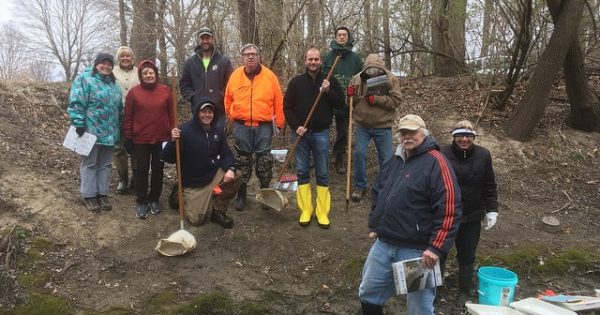
Last Saturday, RiverWatch trainer Matt Young and five brave river citizens (including myself), wearing questionably waterproof boots, waded into the chilly March waters of the Saline Branch in Urbana’s Crystal Lake Park. Another six participants without waterproof gear watched from the riverbank. We were participating in a RiverWatch training session, becoming citizen scientists ready to observe and report on the water quality of Illinois’ rivers.
Illinois Rivers
Say NO MORE to mercury pollution in the Ohio River!
Clean water can’t wait! It’s time to stop discharging toxic levels of mercury into the Ohio River! The Ohio River is the public water supply for 5 million homes from Pittsburgh, PA to Cairo, IL, and is home to over 150 species of fish. It shouldn’t be a private waste dump for big business. But for […]
Sidney train leak incident part of a growing and concerning national problem
The latest train incident causing a spill of petroleum products into an Illinois waterway happened in the small village of Sidney. Last Saturday, Sidney residents smelled diesel fuel and then saw it in the creek that drains into the Salt Fork of the Vermilion River in eastern Champaign County. The source was a Union Pacific train that […]
Tell the Corps to stop causing floods on the Mississippi River
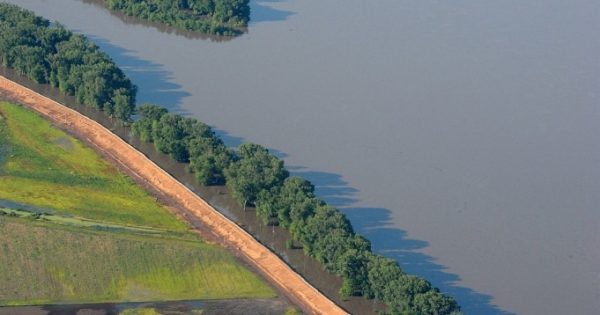
The Army Corps of Engineers has been wrestling with the Mississippi River for over a century in an attempt to train and constrain the river to support commercial navigation. This practice is readily apparent along the Middle Mississippi River, a 190 mile stretch between the Missouri and Ohio River that is littered with structures to tame […]
The Salt Fork: Wrapping up 2013, Looking toward 2014
Beautiful photos of the Salt Fork River (taken by PRN member Sue Smith). This is why we work to protect the Salt Fork River from water withdrawals for coal washing and industrial cooling, water pollution from a proposed coal mine and habitat degradation from drainage clearing. Congratulations to everyone who has been involved in successfully […]