
DIRECTOR’S NOTES
Like most environmental nonprofits, Prairie Rivers Network (PRN) navigated severe challenges over the course of the year. The overnight pivot from a place of opportunity, implementing the Inflation Reduction Act to dealing with an unrecognizable and unpredictable federal landscape was staggering. The new administration’s attempts to slow progress had an immediate effect as our bedrock environmental protections were undermined and dismantled at a rapid pace.
If we have learned anything from 2025, it’s the importance of community.
In 2025, our network didn’t falter. In fact, we actually grew in these challenging circumstances, securing new funders to support our work while also recruiting new staff and board members to help meet this moment. Despite our limited resources, we remained strategic and nimble, knowing we couldn’t fight every fire. Instead, our network pushed forward together, secured significant policy victories, deepened our implementation efforts and inspired conversations to make Illinois more resilient in the face of opposition. We showed how our community-powered efforts here in Illinois can still move the country forward.
Ultimately, we learned our network—this community—was made for these tough times. In the face of so much uncertainty, we doubled down on our commitment to our mission to protect water, heal land, and inspire change.
With deep gratitude,
Protecting Water: Clean Water Forever
The Challenge: Illinois is failing its rivers. From streams that serve as polluted drainage ditches, to rivers that aren’t free for the public to enjoy—Illinois’ dated water laws are largely designed for agricultural, industrial, and now tech interests, putting profits over clean and abundant water.
Despite this landscape, Prairie Rivers Network remained a strong and unwavering voice for clean water— pushing Illinois to take a more proactive role on water issues by:
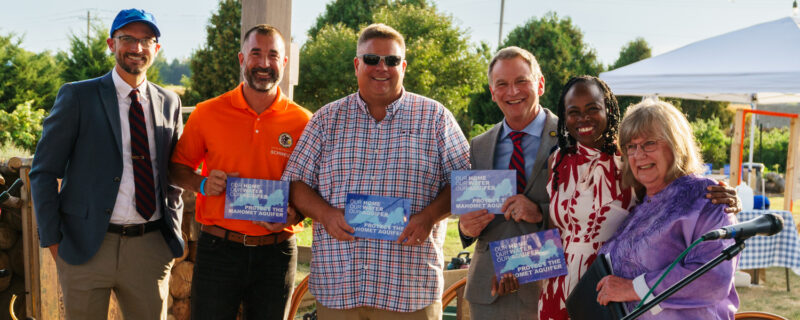
- Securing Safeguards for the Mahomet Aquifer: PRN and our partners re-opened the discussion to protect Illinois’ only sole source aquifer, the Mahomet Aquifer, from a surge in carbon sequestration proposals. We mobilized our membership, the public, county board members, mayors, and ultimately our legislators to pass SB1723, a ban on sequestration under the Mahomet Aquifer.
- Mobilizing for Wetland Protections: PRN continued to call upon Governor Pritzker to respond to federal Clean Water Act rollbacks by issuing statewide protections. With 94.5% of our remaining wetlands under attack, we also worked at the local level to hold the line. PRN served on the City of Rock Island’s wetland taskforce, helping initiate the City’s upcoming designation of over 500 acres of municipal-owned wetlands as a new Land and Water Reserve with the Illinois Nature Preserve Commission.
- Ringing the Alarm on Water Quantity: With an increased interest from water guzzling industries like “sustainable” aviation fuel, carbon capture technologies for ethanol plants, and data centers in Illinois, PRN rose to the occasion to expose the real threats to our long-term water interests. From penning op-eds, to showing up at public hearings to testify on the impacts of a proposed data center outside of Springfield, PRN built momentum for comprehensive Illinois water law reform.
- Reinstating River Access for All: PRN continued to pursue a legislative solution to Illinois’ restrictions on accessing public waters. Meanwhile, PRN brought on technical researchers to explore and identify pathways to expanding access to Illinois’ 120,000 miles of rivers deemed outside the public domain, keeping all options on the table to ensure public access and build a constituency to steward Illinois’ rivers.
- Addressing the Impacts of Coal: PRN addressed the damages of coal mining and coal-fired power production in Illinois through direct community engagement and support. PRN sued the Tennessee Valley Authority to block their massive expansion of coal mining in Illinois, supported community members with water and clean up concerns after the Viper Coal Mine closed unexpectedly, and provided education for coal ash hearings in Havana and Wood River. PRN’s accountability work is helping ensure the 4th largest coal producing state doesn’t leave behind a legacy of waste as it transitions into a national clean energy leader.
Heal Land
The Challenge: The Illinois landscape is one of the most dramatically altered landscapes on the planet. What was once thriving, connected, and biodiverse terrain is now a drained and fragmented landscape replaced with 20 million acres of chemically-intensive row crop agriculture and suffering the effects of continued coal mining.
With the vast majority of Illinois’ historic prairies and wetlands destroyed, PRN provided a bright new vision for our landscape centering restoration, reclamation, and nature-based solutions to provide critical habitat and climate resilience by:
- Expanding Our Work On Chemical Trespass: With new funding secured in 2025, PRN dramatically scaled efforts to address the threat of pesticide drift. This expansion included new tools, surface water sampling, and monthly monitoring efforts in public spaces to help visualize where pesticides are drifting and where to call for action. We also hosted three educational tours for legislators and community leaders, and gave dozens of talks across the state showing what drift injury looks like.
- Securing National Recognition on Pesticides: PRN’s work on pesticides was featured in multiple national publications, including articles in Yale Environmental 360, Investigate Midwest, and Smithsonian Magazine. PRN’s rockstar volunteer, Marty Kemper from Southern IL, was selected as National Wildlife Federation’s Volunteer of the Year for his work for PRN’s herbicide drift monitoring program.
- Addressing How Land Use Protects Rivers: PRN has been a leader in river protection, particularly that of the Mississippi in the Quad Cities region where we are focusing on connectivity and river corridor health. We released our Ecological Corridors Map created with our partners at the National Wildlife Foundation to highlight ways the Quad Cities region can improve water quality, wildlife habitat, and climate resilience at the same time.
- Cutting Ties to Fossil Fuels: PRN is committed to helping rural electric cooperatives and municipal utilities seize the opportunities of clean energy and energy efficiency to lower energy costs and decrease reliance on dirty fossil fuels. As part of that commitment, we provided direct support for communities like St. Charles, Batavia, and Naperville as they pressured their municipalities to reassess their dependence on coal-fired power, including from the Prairie State Coal Plant.
- Strengthening Illinois Comprehensive Climate Action Plan: PRN submitted a 12 page letter of recommendations encouraging Gov. Pritzker to deliver real climate pollution reduction centered around land use in its upcoming plan. Our landscape-scale approach works with lands to draw down carbon, while also providing additive benefits that protect public health, re-establish critical habitat and river corridors for wildlife, absorb flood waters, and ultimately help address the water quality crisis.
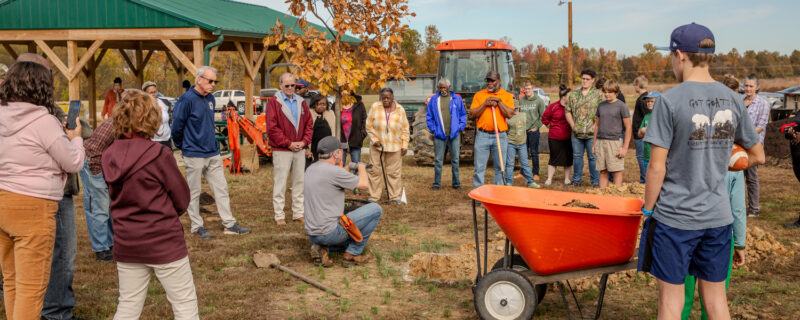
- Reclaiming Abandoned Mine Lands: PRN is committed to healing the scars left behind from Illinois’ historic coal and mineral mining—many of which have been polluting our water and lands for over 100 years now. As we fought to protect federal funding allocated to this work, PRN was also actively engaged in providing technical comments on mines in Kickapoo State Park threatening Illinois’ only National Scenic River and worked hand-in-hand with communities like the Village of Olmsted as they transformed a former clay mine into a new campground, expanding access to nature along the way.
Inspire Change
The Challenge: Illinois sits at the crossroads of the fight to mitigate the worst of the climate crisis. At a time when federal environmental protections are being slashed, bedrock environmental rules dismantled, and federal funding pouring into dirty energy sources, PRN is uniquely positioned to push our mission forward in Illinois.
Prairie Rivers Network stayed committed to working across the state, providing resources, tools, and technical assistance to individuals, communities, and leaders to build resilience and strengthen safeguards for our future by:
- Passing Historic Climate Legislation: PRN and partners worked extensively to help pass another historic energy bill, the Clean and Reliable Grid Affordability (CRGA) Act. PRN provided a strong voice for rural communities, knowing that these communities are critical to reaching our statewide climate goals. Our work—including efforts to hold rural electric co-ops accountable through our 2025 Rural Electric Co-op Scorecard—not only helped secure opportunities for rural electric co-op members, but also addressed affordability and grid reliability issues to keep pushing the needle forward in the clean energy transition.
- Supporting Rural and Coal Communities: PRN lost our technical assistance federal grant funding from the US EPA in early 2025, but that didn’t stop us. Our team persevered with a renewed focus on state climate incentives in CEJA and provided technical assistance to dozens of rural and coal communities. PRN’s hands-on grant writing support, informational Resilient Community webinars, and bi-monthly Energy Community Reinvestment resources helped hundreds of community and municipal leaders working to draw climate incentives down into their communities.
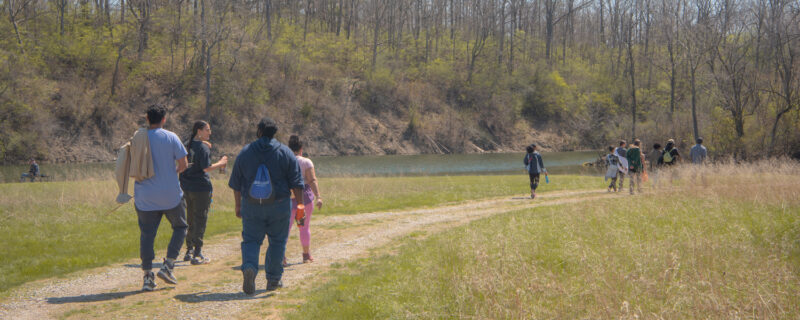
- Addressing the Nature Gap: PRN joined forces with Nurtured in Nature to help address the “nature gap” disproportionately impacting communities of color, low-income residents, and rural communities in Illinois. As part of our ongoing efforts to connect people with nature, PRN hosted three community hikes and a celebration to kick off PRN’s newly adopted outdoor wellness program.
- Growing Our Team: PRN expanded our team, adding three new staff members and two new board members in 2025 to expand our skillset, reach new communities, and ultimately push Illinois forward.
- Driving the Narrative: PRN’s continued investment in communications led to nearly 140 media hits in 2025, making this our biggest media year ever. From national coverage in publications including Chicago Tribune and Grist, to making inroads into public health publications like Environmental Health News, to providing background on critical issues like abandoned oil and gas wells threatening our environment, our team left no stone unturned as we worked to inspire a more resilient Illinois
2025 Financial Snapshot
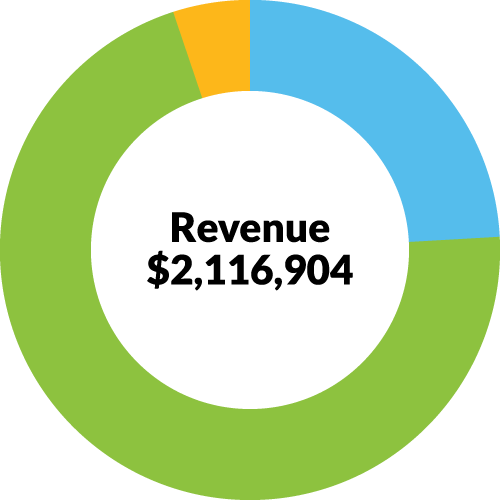
Revenue = $2,116,904
Donations = 24%
Grants = 71%
Endowment Payout, Interest, Other = 5%
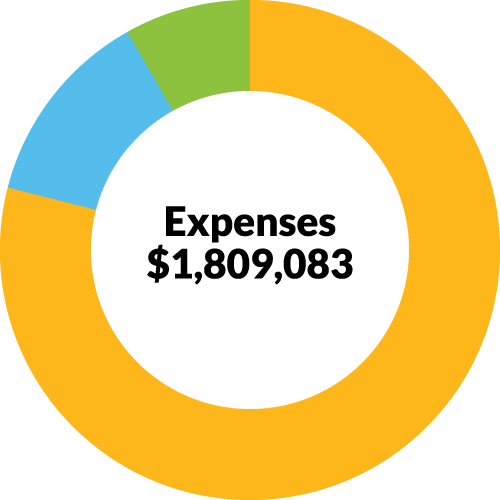
Expenses = $1,809,083
Programs = 79%
Fundraising = 13%
General & Admin = 8%
PRN Endowment = $623,221
This financial snapshot shows our 2025 operating revenue and expenses plus the current value of our endowment at the end of 2025. Our financial statements are audited each year by an independent certified accountant and are available along with our Federal 990 at prairierivers.org.
2026: Fighting for a Healthful Environment
Prairie Rivers Network has been agitating for change for nearly 60 years. Along the way, we built a robust tool chest, stronger network, and trusted relationships in communities required to respond to the growing challenges confronting our future. The work ahead becomes more urgent by the minute. Thankfully momentum is on our side in Illinois in more ways than one. With deep respect for science and justice, a constitutional guarantee to a healthful environment, and the opportunity for landscape-scale transformation of our lands, Prairie Rivers Network is more ready than ever before for the work ahead.
Thank you for your trust in our team in these challenging times. Your investment, encouragement, and active participation in our efforts is making a difference.