
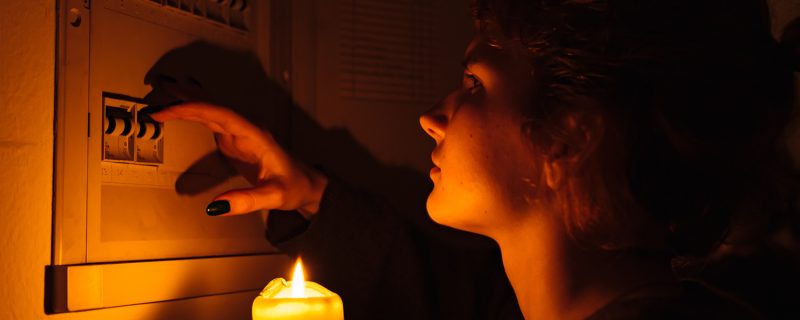
Severe weather is beyond our control, but how we prepare for it can make all the difference. As climate-driven weather events become more frequent and intense, communities must be ready to respond to the energy disruptions that often follow. With summer heat creeping in, the Resilient Communities Webinar series invited energy experts to light the way to energy resilience.
This webinar, co-hosted by Prairie Rivers Network and University of Illinois Extension, invited Todd Rusk (Associate Director, EnergySense Resilience Center) and Damon Taugher (Vice President, Operations and Partnerships, Collective Energy) to present. Together, they have over 45+ years in the energy sector, with each bringing unique perspectives from their work on energy action planning and rural healthcare microgrids. Read on for a summary, and you can always watch the full episode on our YouTube channel.
As climate patterns continue to shift, severe weather and extreme heat can be deadly for communities ill-equipped to face these emerging challenges; investments in strategic energy action planning and microgrids can be the difference between a simple storm and a deadly weather-related event. Hospitals, cooling shelters, and other life-saving facilities can now be equipped with microgrids that provide clean power around the clock, but most importantly in those times of severe storms when local grids are down. Solar and battery technologies can run life-saving equipment, provide safe shelters, and be used to support recovery efforts. What is your community doing to prepare for the next major storm or power outage?
Energy Resilience—EnergySense Resilience Center
Todd Rusk set the stage with a quick background and definition of energy resilience. According to the Illinois EPA Office of Energy, “energy resilience” includes projects, technologies, and infrastructure to strengthen the ability of the grid to recover from power outages and continue to supply energy-dependent services. The benefits of energy resilience include improved power outage recovery, improved energy efficiency, cost savings, improved comfort and stability, and economic growth.
Rusk was quick to draw parallels between energy planning and other community plans, suggesting that communities should consider integrating energy or climate action planning into their comprehensive community plans. He discussed why this approach is better received by local governments versus a standalone plan, and shared resources such as the US EPA: Energy Efficiency in Local Government Operations, and the National Laboratory of the Rockies – Resilience Roadmap. These documents outline the path to building energy-resilient communities, and offer step-by-step guides that begin by developing a stakeholder team and vision and ultimately lead to the development of an action plan.
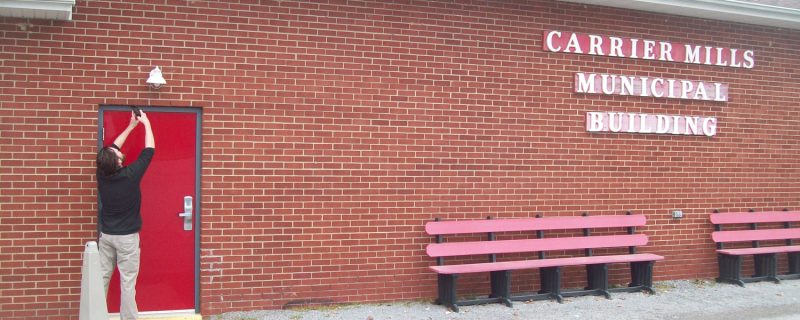
Rusk discussed the ever-growing need for funding and financing projects. He referred our audience to the Illinois Finance Authority’s Illinois Climate Bank, which specializes in funding these types of projects. Along with local utility incentives, he highlighted funding opportunities such as the Illinois EPA’s Resilient Energy for Wastewater Infrastructure program, Illinois’ Commercial Property Assessed Clean Energy Financing, and others. Finally, Rusk suggested that communities reach out to local organizations for support when applying for grant funding. He shared examples of Illinois’ communities who partnered with local organizations that had foundational support to help apply for grants: Prairie Rivers Network assisted the Village of Carrier Mills with a US DOE Rural Communities Prize, and the Black Hawk Hills Regional Council assisted Rochelle with IL EPA funding for energy action planning. Energy Sense was involved in both of these projects as well, completing energy assessments and providing planning support. If your community needs support with climate action planning, implementing solar, or installing energy efficiency upgrades, check out these resources.
Microgrids for Rural Resilience—Collective Energy
“The largest loss of life is often not in the initial natural disaster, but in the power loss that follows.” – Andrew MacCalla, Founder of Collective Energy
Damon Taugher, Vice President of Collective Energy, shared the company’s mission to ensure equal and reliable access to health services, even when the electrical grid is out. The need for power is essential for healthcare, and due to an aging infrastructure along with rising energy demands, outages are more frequent, making Collective Energy’s work even more timely. Through developing and financing microgrids—self-sufficient energy systems that serve a discrete geographic footprint, including solar panels and battery storage—their work saves lives, reduces pollution, and lowers energy costs.
Taugher walked our audience through how microgrids work, outlining the relationship between a health facility, solar panels, battery, and the utility grid. During normal operation, the facility would remain tied to the electrical grid using and storing electricity generated by its solar panels. Any excess solar energy would be exported to the grid, while additional electricity would be drawn from the grid when solar production is insufficient (e.g., on cloudy days or short winter days). During emergency outages, the facility would be able to disconnect from the grid to rely solely on the microgrid’s solar and battery storage. Facilities are able to increase resilience through the microgrid; some may choose to keep a backup generator to enhance energy security.

Microgrids provide multiple solutions. They allow patient care to continue even during power outages, reduce the loss of medications that require refrigeration, and create community health hubs that can offer heating, cooling, device charging, and other emergency services during severe weather. While batteries benefit the health facility by providing uninterrupted power and reducing loss of life and financial losses, they also help reduce the overall strain on the grid, making the regional grid more reliable and stabilizing electricity costs.
Taugher drove home the community impacts of these projects by sharing a case study of Chiricahua Community Health Centers in Cochise County, Arizona. The multi-discipline facility serves a 6,200 square mile area on the U.S.- Mexico border that frequently experiences power outages, extreme heat, wildfires, and monsoons. The energy resilience project was able to enhance community resilience for over 125,000 rural people by installing microgrids that will provide 100% of the centers’ electricity. Collective Energy was able to finance this project with no upfront costs through an energy service agreement that allows the Community Health Centers to lease-to-own their microgrid systems for 20 years. Their monthly payments are less than their previous electricity bills, and they offset 223 tons of CO2, or the equivalent of carbon sequestered by 234 acres of forest a year.
Energy Resilient Communities
As Illinois continues to shift towards a warmer, wetter climate, communities are left scrambling to recover from flash floods, extreme heat, and increasingly frequent power outages. By incorporating energy planning into comprehensive plans, communities can more effectively invest in energy audits, energy efficiency upgrades, and microgrids to ensure critical services can continue even during a power outage. Partnering with local organizations can provide the organization support to manage grants, while capital stacking can provide project funding by layering tax rebates with grants and financing options, making these resiliency projects accessible to a wider population.