Data centers continue to make headlines across the country and in Illinois. We have become familiar with frequent reporting on their massive electricity use and water demands, and personal stories about how data centers are negatively impacting daily life in affected neighborhoods and communities. Discussed far less in the media, however, are the impacts that data centers can have on wildlife, and the habitats upon which they depend.
Earlier this year, the National Wildlife Federation and its affiliates, including Prairie Rivers Network, passed a data center resolution urging local, state, and federal leaders to strengthen wildlife, climate, and environmental justice safeguards for the planning, siting, development, and operation of data centers. In this blog post, we examine why these safeguards are needed and what local and state action in Illinois looks like.
Data Centers Impacts on Wildlife and Biodiversity

Broadly speaking, the energy demands of data centers have huge potential to increase greenhouse gas emissions, and therefore climate change-driven impacts to wildlife and biodiversity worldwide. Here, we focus more on the site-specific impacts to wildlife, plants, and protected natural areas, through both the direct conversion and disturbance of on-site habitat, and through indirect impacts to the surrounding ecosystems and species.
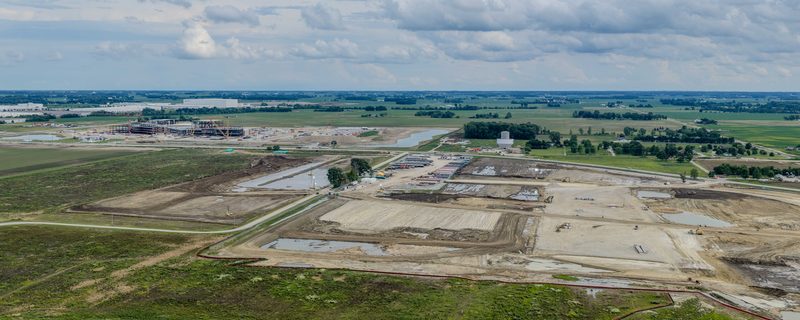
Hyperscale data centers require massive amounts of land, resulting in habitat loss and fragmentation. A 280-acre data center has been proposed in Sangamon County, and a locally-approved data center in Joliet will be nearly 800 acres. An enormous data center in Bessemer, Alabama is expected to result in the clearing of hundreds of acres of trees. With such massive footprints, it’s inevitable that once-protected wetlands will now be lost in the wake of ongoing federal rollbacks of the Clean Water Act. Similarly, federal changes have weakened the Endangered Species Act, making it harder to treat damage to habitat as a violation of the law.
Data centers can negatively impact water quantity and quality, with well-publicized concerns about impacts to municipal water supplies, and lesser-known implications for both aquatic and non-aquatic species. Significant surface water withdrawals for data centers can impact the local hydrology of streams and lakes that provide habitat to aquatic species, particularly during times of drought. Stormwater runoff and wastewater discharges from data centers have been found to contain pollutants and sediment, cause thermal pollution, and contribute to local flooding.
Data centers are working to get a handle on their onsite water demands, but new research has shown that by 2030, 72% of total data center water use will be tied to off-site electricity generation. In fact, this indirect water use is expected to nearly double, increasing from 54 billion gallons in 2025 to 91 billion gallons by 2030. Water pollution tied to offsite electricity generation can also not be ignored when considering the wildlife impacts of data centers.
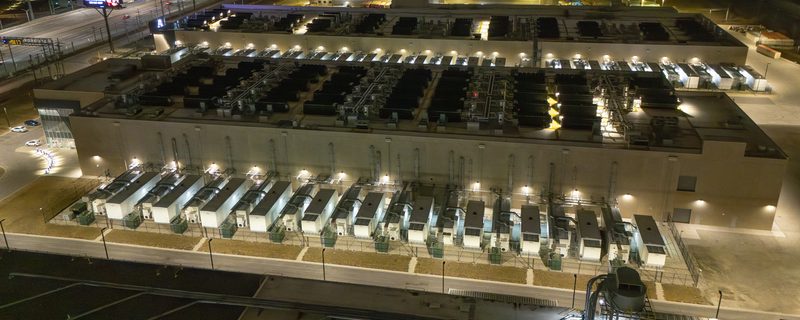
Data centers also produce light and noise pollution, and they are increasingly being proposed in rural areas that may otherwise provide dark and quiet habitat for wildlife. Although research on the impacts to wildlife from this type of data center pollution is sparse, it is well known that human-caused noise and light pollution can alter animals’ communication, reproduction, foraging, growth, migration, and more. As new research about data center noise continues to emerge, like these policy recommendations, we must remember that human neighbors are not the only ones impacted.
Other potential threats from data centers that should be considered include the heat island effect, air pollution from diesel backup generators, changes to stormwater runoff, disturbances during construction, increased vehicular traffic, and associated infrastructure like power lines.
State Action
PRN is working at the local and state level to ensure that wildlife, and the protected areas upon which they depend, are protected from harm by data centers.
The POWER Act was introduced in spring of 2026 and addresses many of the power, water, and community impacts of data centers. The clean energy provisions will help ensure that data centers do not rely on water hungry, dirty, and planet-warming fossil fuels. The water provisions will ensure that no data center is approved if it will harm our rivers, lakes, and groundwater. The community provisions ensure transparency and community engagement when a data center comes to town.
The POWER Act also establishes a Hyperscale Data Center Parks and Wildlife Fund. Under the proposed legislation, all data centers would pay into a new state fund administered by the Illinois Department of Natural Resources (IDNR) to pay for conservation and open space projects impacted by data center growth. At least 40% of this funding will flow to environmental justice communities, prioritizing those already hosting a data center.
Local Action
The NWF resolution specifically urges “local and municipal governments to develop and adopt proactive land-use planning and zoning regulations to prevent conversion and fragmentation of wildlife habitat and encroachment of industrial activity upon residential areas, community greenspaces, public lands, or other culturally or ecologically significant landscape areas.”
PRN helped support the successful moratorium on data centers in Champaign County, and we are now working to ensure the county’s zoning ordinance has robust and protective language on wildlife and protected areas. We have examined several model ordinances available for data centers and most do not even address this topic, so we hope the Champaign County language will be a model for other Illinois counties to consider once approved. We will share that ordinance here once included in an official draft. Stay tuned!