The US Environmental Protection Agency (USEPA) has proposed damaging rollbacks to federal coal ash protections. The revisions would eviscerate the 2015 and 2024 rules that are meant to protect hundreds of communities located near coal plants from exposure to toxic coal ash pollution. For more than a decade, Prairie Rivers Network and Earthjustice have worked side by side, along with frontline communities, to fight for strong coal ash protections federally and in Illinois. Now, as the USEPA moves to gut the federal coal ash standards, we are turning to our friends at Earthjustice for insight. In the following Q&A, we talk with two Earthjustice experts, Jenny Cassel and Mychal Ozaeta, about what proposed changes mean and specifically how they could affect coal ash in Illinois.
We hope this information helps you engage in the public process, including through written comments and public testimony, to help opposes these revisions. In addition to the interview below, this toolkit, prepared by Earthjustice and Sierra Club, will provide you with essential information and resources to engage in the public process. A reminder: The online public hearing is May 28th (sign up to testify here) and written comments are due by June 12th. Details on both are in the toolkit.
Q: What is coal ash, and why should we be concerned about it?
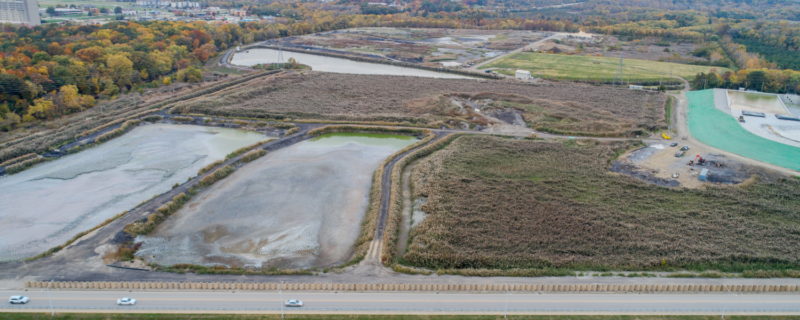
A: Coal ash, also known as “coal combustion residuals” or “CCR”, is the dregs that do not combust when coal is burned. It includes, but is not limited to, ash that falls to the bottom of a boiler (bottom ash) and tiny particles that are pushed toward the smokestack by the gas stream created when coal is combusted (fly ash). Owners of coal-fired power plants collect this ash from the boiler and air pollution control equipment and, too frequently, dump it into water-filled pits—known as “ash ponds”—or dry landfills near the power plant. Coal ash contains a toxic stew of elements including arsenic, boron, chromium, mercury, lithium, lead, selenium, and more, all of which put our health at risk when found at high concentrations. The effects of these constituents vary from respiratory problems, reproductive health harms, neurological impacts, and circulatory system defects, to cancer and sometimes even death. Coal ash can harm health by leaching into the water we drink and blowing into the air we breathe.
Q: Are there rules to protect against coal ash pollution?
A: Yes. In 2015 the US Environmental Protection Agency (USEPA) adopted the first-ever rules for coal ash dumpsites. Among other things, the rule (i) limits where coal ash ponds and landfills may be located; (ii) requires companies to evaluate the stability of ash ponds and fix weaknesses; (iii) directs companies to monitor groundwater near coal ash ponds and landfills and clean up groundwater if coal ash pollutions is found in it; and (iv) sets protective standards for closing coal ash ponds and landfills, specifying that coal ash may not be left in contact with groundwater. The 2015 rule left loopholes, however—it did not cover no-longer-used coal ash landfills, ash strewn around coal plant properties, or coal ash ponds at plants that had stopped producing electricity. In 2024, USEPA adopted a new rule to close those loopholes.
Q: Can you share a broad overview of the problematic changes the USEPA has proposed to weaken the federal rules in its April 13, 2026 proposal?
A: USEPA is proposing to reverse course on many fundamental protections against coal ash pollution. Contrary to science and the facts on the ground, its proposal would exclude hundreds of dangerous coal ash dumps from regulation altogether; weaken and delay groundwater monitoring and cleanup mandates; and allow coal ash to soak in groundwater, leaching out pollution for hundreds of years or more.
Q: Earthjustice and Prairie Rivers Network, along with advocates across the state, fought for and won state protections in the 2019 Coal Ash Pollution Prevention Act. How does this state law, and the state rules that resulted from it, protect us in the face of these proposed federal coal ash rule rollbacks? What are some notable success stories that have come from these protections?
A: Illinois’ law and rules provide ample protection against the proposed federal rollbacks for coal ash ponds. Our state rules are based on USEPA’s 2015 rule but are broader and more protective. For example, our rules cover ash ponds at plants that stopped generating electricity long ago, require owners to set aside funds to pay for cleanup and closure, and provide many opportunities for the public to review and comment on monitoring, cleanup, closure, and other requirements for coal ash ponds. These are the rules Illinois EPA looks to when it evaluates permit applications for coal ash ponds, and they have paid off in protecting Illinois’ communities and waters. Just in the last few months, Illinois EPA has rejected a permit application for a coal ash pond that does not meet our stringent standards, and an Illinois appellate court upheld the Pollution Control Board’s decision to reject a company’s request to exclude an old ash pond on the shore of Lake Michigan from the rules.
Q: Let’s look at it from the other perspective. In what ways do our state coal ash rules NOT protect us in the face of these proposed federal coal ash rule rollbacks?
A: There are two main ways in which Illinois’ rules do not protect against the federal rule rollbacks. First, Illinois’ coal ash law and rules do not cover coal ash landfills or other old deposits of coal ash that were dumped around coal plant properties, so those landfills and old ash deposits will be directly affected by the proposed federal rollbacks. Second, there are some ash ponds that were closed before 2021 under less-protective standards. The federal rule requires those ponds to satisfy closure standards, but the rollback would significantly weaken those closure standards.
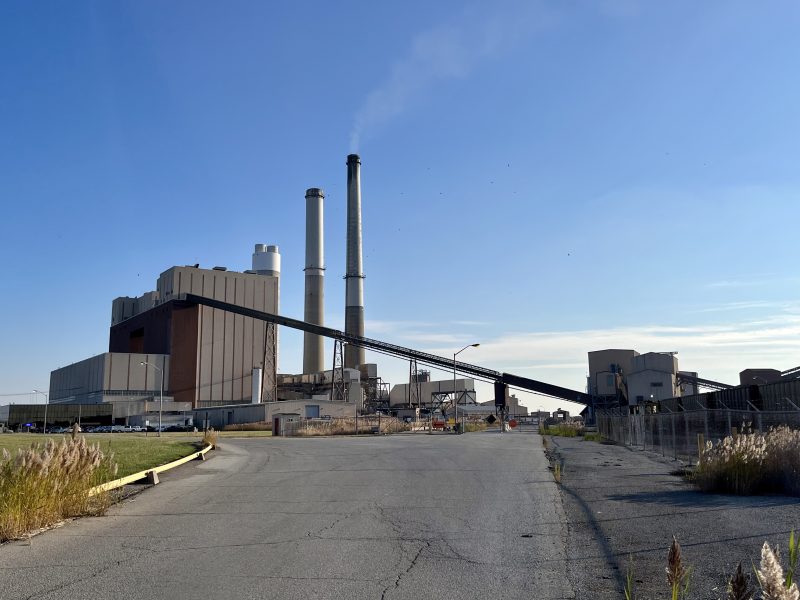
So, if the rollbacks move forward, sites with coal ash landfills, such as the Prairie State, Newton, Hennepin, Coffeen, Duck Creek, Joppa, and Springfield coal-fired power plants (many of which are retired), will pose far greater risks to groundwater, rivers, lakes, and communities than they do under the current federal coal ash rule. Ditto for sites with old coal ash deposits, such as the Powerton plant near Peoria, the retired Waukegan, Romeoville, and Joliet plants, and almost certainly others—it is very likely that there are more old coal ash deposits that, because of the rollback, companies won’t look for and therefore won’t clean up. Finally, coal ash ponds that closed before July 2021 under less-protective standards—including ponds at the Venice, Hutsonville, Hennepin, Meredosia, Baldwin, and Coffeen plants, among others—will foul waters more than the current federal rule allows.
Q: Are there other states that lack state protections and will be especially harmed by these proposed federal rule changes?
A: Many states lack state coal ash regulations. Only a few—Oklahoma, Georgia, Texas, and North Dakota— have coal ash regulations approved by USEPA, although even those states’ rules have gaps that the federal rule fills, leaving them less protected if the rollback is adopted. Other states, including Michigan and North Carolina, have state laws and regulations not approved by USEPA; they remain vulnerable to these rollbacks. Still others, like Indiana, have state rules, but tether those to the federal ones—so if a rollback is adopted at the federal level, Indiana’s regulations will be weakened along with it.
Q: If these rollbacks are finalized, what impacts could be expected? What could we do to restore protections?
A: If these rollbacks are finalized, the communities most impacted will be working class communities and communities of color, which are disproportionately located near coal ash disposal sites. We can expect more toxic pollution in our aquifers, rivers, lakes, and streams; more coal ash flying around and risking people’s health and wellbeing; and less transparency about what companies are doing, or not doing, to to protect communities from coal ash pollution.
As for what we can do to restore protections, Earthjustice and partners will be ready to challenge any final action that weakens existing protections, allows the continued contamination of drinking water sources, enables companies to avoid cleanup responsibilities, or reverses progress made to protect environmental justice communities.
Q: What can people do to help push back against these proposed revisions?
A: You can make your voice heard by submitting written comments to EPA by June 12, 2026 and signing up to testify at EPA’s virtual public hearing on May 28, 2026 from 9am-6pm ET. Earthjustice and Sierra Club have created a toolkit for guidance on oral and written testimony to EPA and are planning an online webinar to provide an overview of EPA’s proposal and further guidance on commenting and testifying. You can also contact your federal legislators and demand that they push back against this damaging rollback, as well as write letters to the editor and otherwise raise attention about this harmful proposal.
Q: How can people learn more about coal ash in Illinois?
A: One easy answer: join the coal ash listserv! We have a great listserv dedicated to all things coal ash in Illinois, and those of us that spend lots of time reading rules, permit applications, and the like post updates and opportunities for action when they arise.
Second, check in with Prairie Rivers Network, Earthjustice, Sierra Club, or other environmental and health organizations to learn more and get involved. Those organizations and others put together a detailed report in 2018 on Illinois’ coal ash dumps—it remains relevant. Earthjustice has a comprehensive website dedicated to helping folks better understand coal ash pollution nationwide, while Prairie Rivers Network keeps close tabs on what’s going on in Illinois.
Q: Last November, in a separate proposal, USEPA also proposed extending the closure deadlines of unlined coal ash ponds at 11 coal plants, including three in Illinois. Can you tell us more about what is going on with that and specifically what three ponds in Illinois are potentially impacted?
A: EPA has proposed to extend the closure deadlines of unlined coal ash ponds at 11 coal plants, including 3 Illinois plants: Vistra’s Baldwin, Kincaid, and Newton plants. The Trump proposal would give coal plant owners until October 2031 to operate. The 2015 rule required all unlined coal ash ponds to cease receiving waste by April 2021 and begin closure, so if this proposal is finalized, coal plants will have a full decade beyond the original deadline before they have to stop dumping toxic ash. We expect this proposal will be finalized by the end of 2026 with litigation over it likely to follow.
Q: While our state coal ash law and rules aren’t perfect, they do a good job of protecting us despite these federal rollbacks. This shows the importance of state advocacy and action. Can you share and other areas where you think Illinois is, or should be, stepping up in the face of federal rollbacks or priority changes?
A: For sure. Another good example of Illinois stepping up is its recent laws to protect against the risk of pollution and disasters from carbon capture and sequestration (“CCS”). CCS can foul drinking water, increase air pollution, and put communities at grave risk of harm from disaster that leave them gasping for air. We hope Illinois stands by its commitment to the environment and communities by adopting strong CCS rules and permits.
But there is plenty more Illinois can and should do! For example, Illinois should step up on wetlands protection. With federal laws severely weakened, Illinois desperately needs better safeguards for our wetlands—which, in turn, help us keep water clean, reduce flooding, and protect biodiversity. Likewise, Illinois should be a leader in protecting residents against the high environmental, climate, and economic costs of data center development. Too many Illinois residents already bear the burden of skyrocketing electric bills, noise and air pollution, and excess water use from the data center industry. Illinois has an opportunity to nip it in the bud; it should take it.