August 17, 2018 | Blog Post
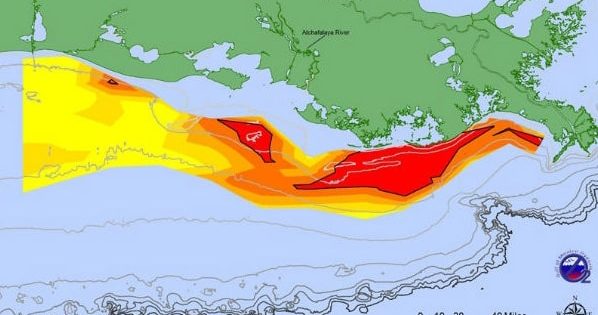
PRN’s Catie Gregg takes us through the Gulf of Mexico’s 4th smallest “Dead Zone” since 1985 and what it means for Illinois.
Gulf of Mexico Dead Zone
PRN CALLS ON ILLINOIS AG AND FOOD COMPANIES TO BE GOOD STEWARDS

August 2, 2017 | Press Release
PRN calls on our Illinois-based food and agriculture companies to help the state reduce agricultural runoff and soil loss, which contribute to the Gulf of Mexico dead zone.
State Strategy Falls Flat as Overload of Nutrients Harms Illinois Waters
CHAMPAIGN, IL — Yesterday’s release of the Nutrient Loss Reduction Strategy by the Illinois Environmental Protection Agency and Department of Agriculture importantly recognizes one of the state’s most serious water pollution problems: Nitrogen and phosphorus pollution from farms and sewage treatment plants harming Illinois waters and contributing to the dead zone in the Gulf of […]
From Toledo to the Gulf, Inaction Leaves Water Polluted
Just days after half a million Toledo residents were advised their water was too toxic to drink or bathe in (New York Times story), scientists released the annual measurement of the Gulf of Mexico Dead Zone, and the findings are grim (CNN Dead Zone story). This year’s Dead Zone is estimated at 5,000 square miles—an area […]
Court Ruling Forces EPA Action on Mississippi River Pollution
Action would also fight harmful algae blooms in Illinois lakes and rivers The U.S. District Court in Eastern Louisiana ordered the U.S. Environmental Protection Agency on Friday to decide within 180 days whether it will require new limits on the nutrient pollution that is causing the growth of dangerous algae in the waters of Illinois and the […]