Interactive Web tool allows the public to check water violations in their communities
The U.S. Environmental Protection Agency (EPA) is launching a new set of web tools, data, and interactive maps to inform the public about serious Clean Water Act violations in their communities. Improving water quality is one of EPA Administrator Lisa P. Jackson’s priorities and in 2009, Administrator Jackson directed the agency to develop concrete steps to improve water quality to better enforce the Clean Water Act and to use 21st Century technology to transform the collection, use and availability of EPA data.
The web tools announced are part of EPA’s Clean Water Act Action Plan to work with states in ensuring that facilities comply with standards that keep our water clean. {Continue Reading »}
doing its job.
More good news for the second day of Earth Week 2010. There is evidence that the US Environmental Protection Agency (US EPA) is, at long last, doing its job (rather than trying to undo its job).
Three recent events give us hope that the US EPA is taking clean water seriously.
1. According to our partners in Tennessee, EPA recently brought enforcement actions against two Clean Water Act violators demanding penalties of $68,000 and $335,000 respectively! Read more here.
2. The US EPA issued rules that will seriously curtail the devastating mountain-top removal form of coal mining. According to the NY Times, “The goal of the new rules, Ms. Jackson said, is to prevent ’significant and irreversible damage’ to Appalachian watersheds.”
3. The US EPA has admited that drinking water regulations are outdated. According to the NY Times, “‘There are a range of chemicals that have become more prevalent in our products, our water and our bodies in the last 50 years,’ the E.P.A. administrator, Lisa P. Jackson, said in a speech on Monday. Regulations have not kept pace with scientific discoveries, and so the agency is issuing ‘a new vision for providing clean, safe drinking water.’”
The key to achieving strong laws that work for our collective well-being is for individual citizens to prove that we care as much about clean water as the polluters do about their ability to maintain business as usual.
Sign up for RiverWeb emails (once or twice a month) and look for Action Alerts from Prairie Rivers Network that help bring citizen voices to the ears of the EPA.
Sees Central Role for Groups Like Prairie Rivers Network
by Kim Knowles, Water Resources Specialist

- Lisa Jackson; Photo credit: EPA
The times they are a-changin’. At least in word, we’ve come a long way from the days when W’s EPA refused to recognize carbon dioxide as a pollutant and issued rules that made it easier to mine coal by blasting off mountain tops and filling streams and valleys with the refuse. In a breath of fresh air, US EPA Administrator Lisa Jackson publicly admitted last summer that the EPA is not doing enough to deliver clean and safe water to our communities. Administrator Jackson directed her staff to boost enforcement actions against serious violators and to provide more information on the EPA web site in a form that is easily understood and useable. {Continue Reading »}

- Point Source Pollution (photo credit: www.flickr.com/photos/thoth-god/)
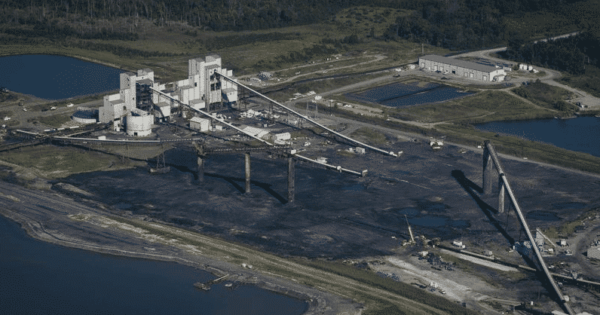
Prairie Rivers Network, in partnership with the Sierra Club and the Environmental Law and Policy Center, has filed a notice of intent to sue Freeman United Coal Mining Company, regarding repeated and excessive violations of the Clean Water Act.
The Industry Mine, near Macomb, has over 300 documented exceedances of their NPDES permit since July, 2003. You can read the press release here and review the violations here. {Continue Reading »}
If you haven’t yet read the New York Times article entitled “Toxic Waters: Clean Water Laws Neglected, at a Cost in Suffering“ that appeared Sunday, September 13, I encourage you to do so now.
The article paints a stark picture of health threats posed by pollution in our nation’s waters. Pollution found in our drinking water is making people sick and has been linked to cancer and damage to the kidneys and nervous system. The Environmental Protection Agency and state regulatory agencies are charged with carrying out the Clean Water Act and the Safe Water Drinking Act in order to ensure clean, safe drinking water. However, between a “culture of transgression and apathy” and a doubling in the number of regulated facilities in the last ten years, the agencies responsible for making sure the laws are enforced are not getting the job done. {Continue Reading »}
Large numbers of Franklin County residents are expected to appear at this Thursday’s Illinois Environmental Protection Agency’s hearing to voice their concerns about Sugar Camp Energy’s proposed mine. Issues related to the proposed underground mine range from insufficient mitigation for loss of streams and wetlands to negative impacts to water quality. We need your help to let IEPA know they cannot grant a permit for this mine unless these issues are addressed as required by the Clean Water Act. {Continue Reading »}